Berita
Produk unggulan dengan keahlian yang luar biasa.

 sales@wxdoka.com
 +86-13861753508
 Jalan Xiangge No.18, Kota Hudai, Distrik Binhu, Wuxi, Cina


Itu Ulat HEUI —Unit Injector yang dikontrol secara elektronik dan digerakkan secara hidrolik—sistem ini mewakili salah satu perkembangan paling signifikan dalam teknologi injeksi bahan bakar diesel tugas berat pada tahun 1990an dan 2000an. Berbeda dengan sistem injeksi mekanis konvensional yang mengandalkan pompa bahan bakar bertekanan tinggi untuk menghasilkan tekanan injeksi, sistem HEUI menggunakan oli mesin bertekanan tinggi sebagai media hidrolik untuk menggerakkan injektor, dengan kontrol elektronik yang mengatur waktu, durasi, dan tekanan injeksi pada basis silinder demi silinder. Arsitektur ini memungkinkan para insinyur Caterpillar mencapai tekanan injeksi melebihi 28.000 psi—jauh melampaui apa yang dapat dihasilkan oleh sistem pompa konvensional yang digerakkan oleh cam pada masanya—memungkinkan atomisasi bahan bakar yang lebih halus, pembakaran yang lebih sempurna, emisi partikulat yang lebih rendah, dan penghematan bahan bakar yang lebih baik di berbagai kondisi pengoperasian.
Itu HEUI concept was co-developed by Caterpillar and Navistar International, with both companies independently applying the technology to their own engine families during the 1990s. Caterpillar's implementation became the foundation of their highly regarded 3126, C7, and C9 engine series, as well as selected versions of the 3406E and C-10 and C-12 platforms. These engines powered an enormous range of applications including on-highway trucks, school and transit buses, construction equipment, marine propulsion systems, and stationary power generation units, making the HEUI system one of the most widely deployed advanced injection technologies in the commercial diesel market.
Memahami prinsip pengoperasian sistem HEUI sangat penting bagi siapa pun yang memelihara, mendiagnosis, atau membangun kembali mesin ini. Sistem ini secara mendasar berangkat dari desain injeksi tradisional yang diatur secara mekanis dan common-rail dalam cara menghasilkan tekanan yang diperlukan untuk memaksa bahan bakar masuk ke ruang bakar.
Itu HEUI system uses a dedicated high-pressure oil pump—driven directly off the engine—to pressurise engine lubricating oil to between 500 and 3,000 psi within a high-pressure oil manifold, often referred to as the "rail" even though it carries oil rather than fuel. This pressurised oil is routed to each unit injector through dedicated oil passages in the cylinder head. Inside each injector, the high-pressure oil acts on a hydraulic amplifier piston that multiplies the oil pressure by a ratio of approximately 7:1 to generate the actual fuel injection pressure at the injector tip—which can reach 23,000 to 28,000 psi in operational conditions. The oil actuation pressure is continuously variable and is controlled by the engine ECM through an Injection Actuation Pressure Control Valve (IAPCV), allowing the system to modulate injection pressure dynamically in response to load, speed, and emissions requirements.
Setiap injektor HEUI berisi katup kontrol yang dioperasikan solenoid yang diberi energi oleh ECM mesin untuk memulai dan menghentikan peristiwa injeksi. Ketika ECM mengirimkan pulsa arus ke solenoid injektor, katup kontrol terbuka, memungkinkan oli bertekanan tinggi masuk ke ruang amplifier hidrolik. Piston amplifier turun, memberikan tekanan bahan bakar di dalam barel injektor ke tekanan injeksi, yang memaksa katup jarum terlepas dari dudukannya dan menyalurkan muatan bahan bakar yang diukur secara tepat ke dalam ruang bakar. Ketika ECM menghentikan arus solenoid, katup kontrol menutup, tekanan oli turun, jarum kembali ke tempatnya, dan injeksi berakhir. Durasi pulsa arus secara langsung mengontrol jumlah bahan bakar yang diinjeksikan, sedangkan waktu pulsa dalam siklus mesin mengontrol waktu injeksi. Kontrol yang sepenuhnya elektronik ini memungkinkan injeksi pilot, injeksi terpisah, dan strategi injeksi lanjutan lainnya yang penting untuk memenuhi standar emisi dan mengoptimalkan kualitas pembakaran.
Itu HEUI injection system was deployed across a substantial range of Caterpillar engine families spanning nearly two decades of production. Technicians and fleet operators working with these engines should be familiar with which specific configurations use HEUI injection, as diagnosis and repair procedures differ significantly from common-rail and mechanical injection engines.
| Model Mesin | Perpindahan | Aplikasi Utama | Tahun Produksi |
| Ulat 3126 | 7.2L segaris-6 | Truk sedang, bus, RV | 1997–2003 |
| Ulat C7 | 7.2L segaris-6 | Truk sedang, bus sekolah, konstruksi | 2003–2009 |
| Ulat C9 | 8.8L segaris-6 | Truk berat, bus transit, kelautan | 2004–2010 |
| Ulat 3406E | 14.6L segaris-6 | Truk kelas 8, industri | 1993–1999 |
| Ulat C-10 / C-12 | 10.3L / 11.9L segaris-6 | Truk jalan raya kelas 8 | 1996–2004 |
Itu 3126 and its successor, the C7, are the most numerically common HEUI-equipped engines encountered in service, particularly in school bus, transit bus, and medium-duty truck fleets. The C9 represents a heavier-duty application of the same core technology, while the larger 3406E, C-10, and C-12 engines applied HEUI principles to Class 8 on-highway applications where high injection pressure was essential for meeting the progressively tightening emissions standards of the late 1990s and early 2000s.
Itu HEUI system's dependence on engine oil condition and pressure introduces failure modes that are not present in fuel-pressure-only injection systems. Many of the most common and costly HEUI failures are directly traceable to oil maintenance practices and the condition of the high-pressure oil circuit components. Understanding these failure patterns allows technicians to diagnose problems more efficiently and helps fleet operators implement preventive maintenance practices that extend system service life.
Itu high-pressure oil pump is the most mechanically stressed component in the HEUI system and is a common failure point, particularly on high-mileage engines or those that have experienced oil degradation or neglected oil change intervals. The pump uses a series of precision-machined pistons and valves to generate the high oil pressures required for injector actuation, and these components are extremely sensitive to oil contamination, viscosity breakdown, and extended drain intervals. A worn or failing high-pressure oil pump manifests as low actuation pressure, which the ECM attempts to compensate for by demanding higher IAPCV duty cycles—a condition visible through diagnostic software such as Caterpillar ET (Electronic Technician). Symptoms include hard starting, especially when cold, rough running, misfires under load, and in severe cases complete engine shutdown as actuation pressure falls below the minimum threshold required to open the injector control valves.
Kegagalan injektor HEUI individual sering terjadi pada mesin dengan jarak tempuh tinggi dan biasanya muncul sebagai misfire khusus silinder, idle kasar, atau asap berlebihan dari satu atau lebih silinder. Gulungan solenoid injektor dapat menyebabkan kegagalan sirkuit terbuka atau sirkuit pendek yang mencegah injektor bekerja dengan benar. Cincin-O internal dan segel di dalam badan injektor—yang harus tahan terhadap siklus tekanan berulang antara mendekati nol hingga 28.000 psi—pada akhirnya akan lelah dan bocor, sehingga menyebabkan kontaminasi silang internal antara sirkuit penggerak oli dan sirkuit bahan bakar. Kontaminasi oli pada sistem bahan bakar akibat kegagalan segel injektor merupakan konsekuensi yang sangat serius, karena dapat merusak pompa transfer bahan bakar dan memasukkan oli ke dalam ruang bakar dalam jumlah yang menyebabkan asap biru terlihat dan kerusakan konverter katalitik atau filter partikulat diesel pada mesin dengan spesifikasi lebih lanjut.
Itu IAPCV is an electrically controlled pressure-regulating valve that modulates the oil pressure supplied to the injectors in response to ECM commands. Contamination of the valve seat or spool by oil degradation products, metal particles from a worn pump, or sludge from infrequent oil changes can cause the valve to stick, leak internally, or respond sluggishly to ECM commands. A faulty IAPCV typically produces erratic actuation pressure readings, hunting or surging at idle, and inconsistent power delivery under varying load conditions. Because the IAPCV is a relatively affordable component compared to the injectors or the high-pressure oil pump, it is often the first replacement part specified during HEUI system diagnosis when actuation pressure anomalies are detected.
Masuknya udara dalam sirkuit oli bertekanan tinggi—yang disebabkan oleh level oli rendah, saringan saluran masuk pompa oli bocor, manifold oli bertekanan tinggi retak, atau kebocoran pendingin oli eksternal—adalah salah satu masalah HEUI yang lebih sulit didiagnosis karena oli aerasi tidak dapat menyalurkan tekanan hidrolik secara konsisten. Hasilnya adalah perilaku injeksi yang tidak dapat diprediksi, misfire yang terjadi di antara silinder, dan pembacaan tekanan aktuasi yang berfluktuasi secara tidak menentu dan tidak memiliki nilai yang stabil. Mendiagnosis aerasi oli memerlukan pemeriksaan yang cermat terhadap sirkuit oli bertekanan tinggi untuk titik masuk udara dan harus selalu mencakup pemeriksaan level dan kondisi oli mesin, karena kondisi pengisian berlebih dan pengisian kurang dapat meningkatkan aerasi di sirkuit oli HEUI.
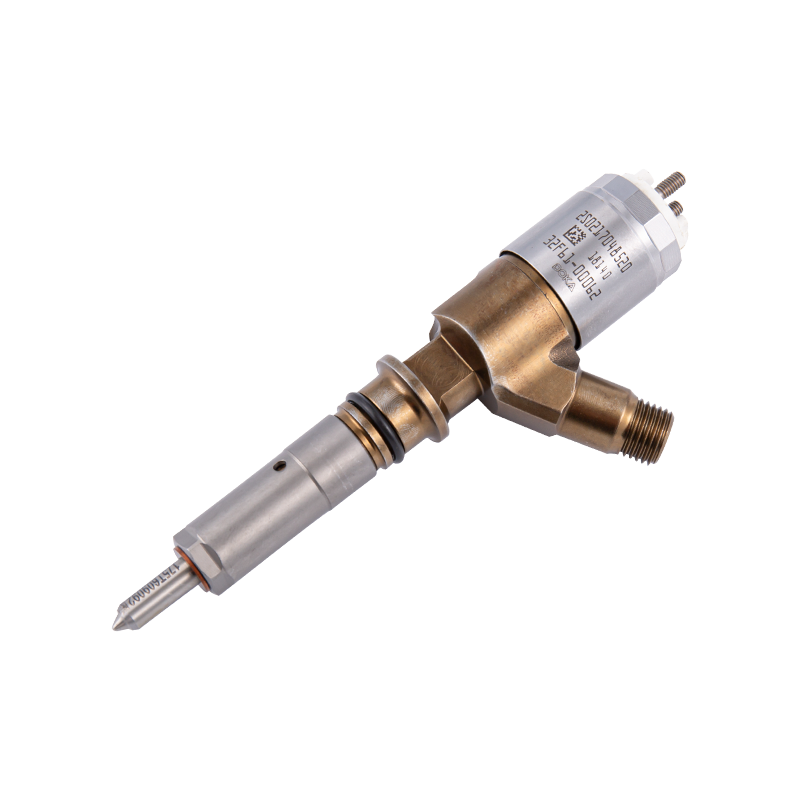
Diagnosis sistem HEUI yang efektif memerlukan peralatan diagnostik yang benar dan pendekatan sistematis yang memisahkan masalah sirkuit oli dari masalah sirkuit bahan bakar dan masalah kontrol elektronik sebelum komponen apa pun diganti. Urutan diagnostik berikut mencerminkan praktik terbaik untuk engine Caterpillar yang dilengkapi HEUI:
Itu HEUI system's sensitivity to oil condition makes engine oil maintenance the single most impactful preventive measure available to operators of HEUI-equipped Caterpillar engines. Many of the most costly HEUI failures encountered in the field—worn high-pressure oil pumps, stuck IAPCVs, and internally contaminated injectors—can be directly attributed to extended oil change intervals, use of incorrect oil specifications, or failure to address oil leaks and consumption promptly.
Rekomendasi utama pemeliharaan preventif untuk mesin yang dilengkapi HEUI meliputi:
Itu Caterpillar HEUI system occupies a significant position in the history of diesel engine development as a transitional technology that bridged the gap between mechanically governed injection and the fully hydraulic common-rail systems that dominate modern heavy-duty diesel engines. By demonstrating that electronically controlled variable-pressure injection was achievable and commercially viable in production engines, the HEUI platform helped establish the performance and emissions standards that common-rail injection systems subsequently built upon and exceeded.
Meskipun Caterpillar menarik diri dari pasar mesin truk jalan raya di Amerika Utara pada tahun 2010—sebagian didorong oleh meningkatnya biaya untuk memenuhi standar emisi EPA 2010 AS dengan sistem pasca-perawatan—jutaan mesin 3126, C7, C9, dan mesin bor besar yang dilengkapi HEUI tetap aktif digunakan pada truk, bus, peralatan konstruksi, dan aplikasi kelautan di seluruh dunia. Bagi teknisi, manajer armada, dan pemilik-operator yang memelihara mesin ini, pemahaman menyeluruh tentang prinsip pengoperasian sistem HEUI, mode kegagalan umum, dan praktik diagnostik dan pemeliharaan yang benar merupakan pengetahuan penting yang secara langsung berdampak pada keandalan peralatan, biaya pengoperasian, dan perpanjangan masa pakai.
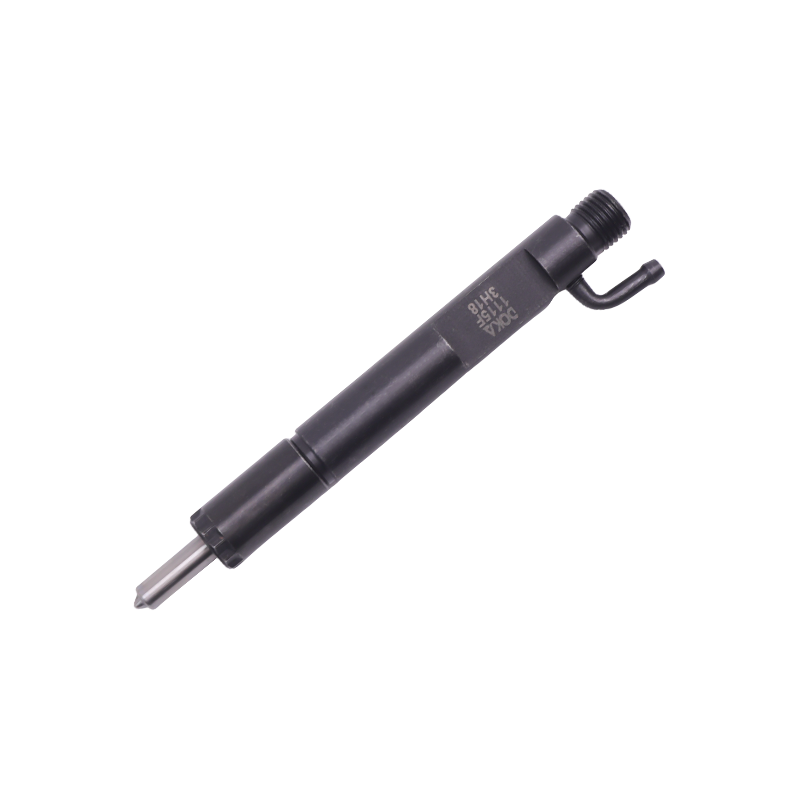
Injektor bahan bakar 1115F dirancang untuk mesin diesel satu silinder 1115, d...
See Details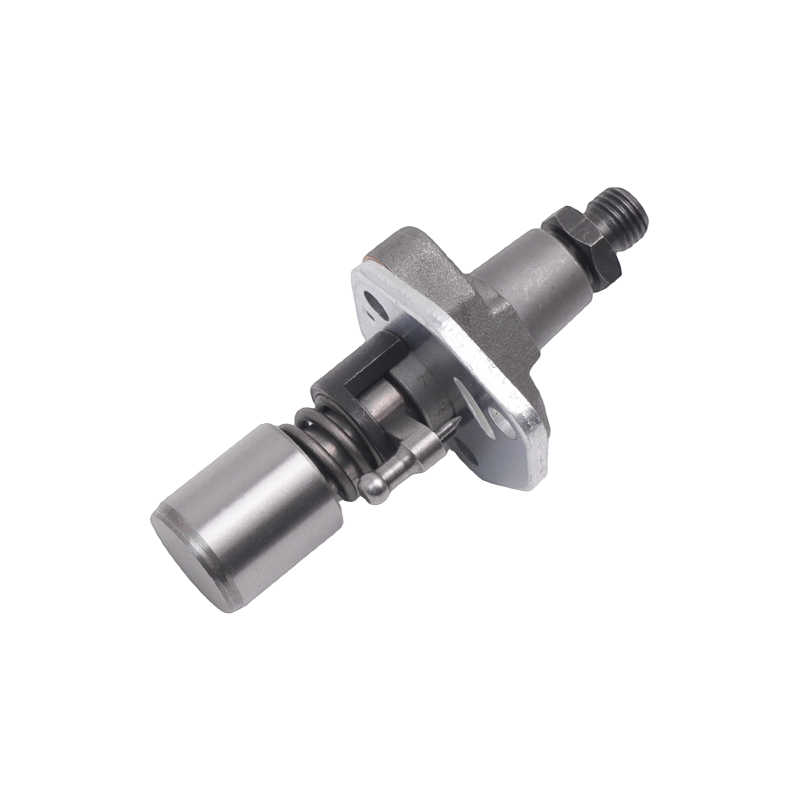
Pompa Injeksi Bahan Bakar 186FA dibuat khusus untuk mesin diesel satu silinde...
See Details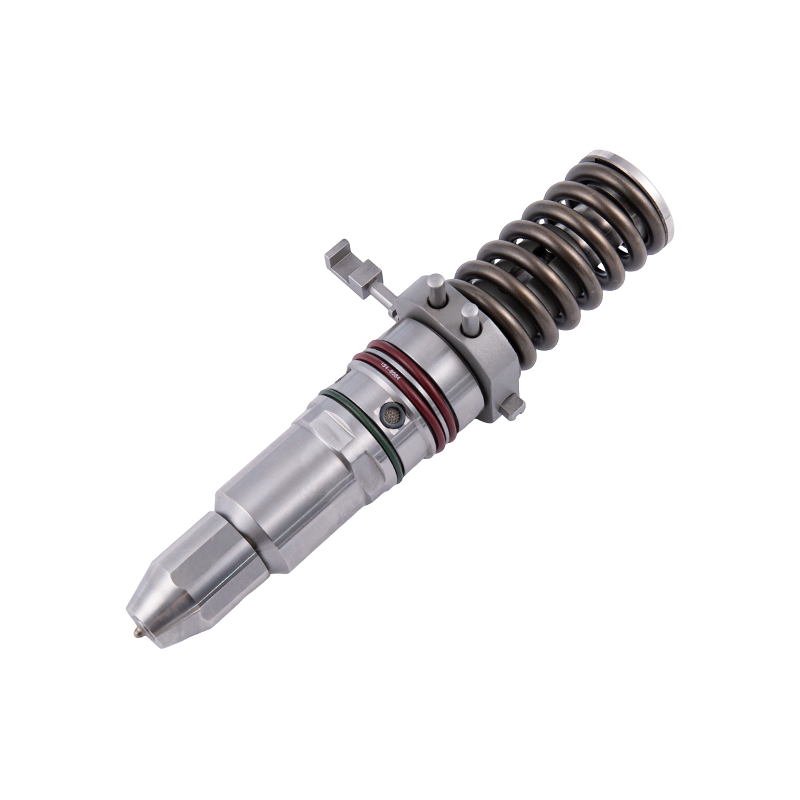
Injektor bahan bakar yang kompatibel dengan Caterpillar CRI/CRS seri 3500A-11...
See Details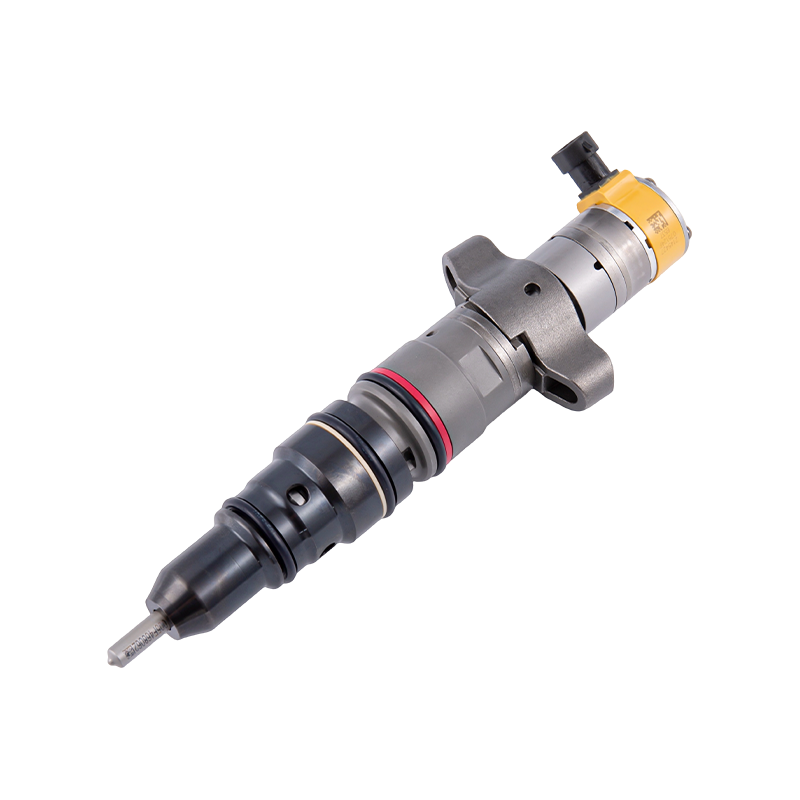
Injektor ini kompatibel dengan injektor seri Caterpillar HEUI CAT C9-387-9433...
See Details
Kompatibel dengan injektor bahan bakar seri Caterpillar HEUI CAT C6-212-3460,...
See Details
Produk yang kompatibel dengan injektor bahan bakar Delphi 20440388 dari Seri ...
See Details